- Lids
- Bottoms
- Compactor Parts
- Commercial Dumpster Parts
- Roll-Off Container Parts
- Refuse Body Truck/Roll-off Hoist Parts
- Lids
- Bottoms
- Compactor Parts
- Commercial Dumpster Parts
- Roll-Off Container Parts
- Refuse Body Truck/Roll-off Hoist Parts

- Lids
- Bottoms
-
Compactor Parts
Power UnitsElectrical PartsLimit/Safety/Photo/Press. SwitchesButtons/Switches/Keys/LegendsHydraulic PartsCylinders30 MMPanels And ControlsMotorsMotor Starters / Transformers / FusesAccessories Electrical30 MM Key Switch30 MM Selector Switch30 MM Push Only Switch30 MM Legends30 MM Contact Blocks30 MM Replacement Keys22.5 MMMarathon CylindersWQ-Galbreath CylindersPTR cylindersJV Cram-A-Lot CylindersOther MFG CylindersCylinder AccessoriesOther Compactor Parts
- Commercial Dumpster Parts
- Roll-Off Container Parts
-
Refuse Body Truck/Roll-off Hoist Parts
Heil Replacement PartsMcNeilus Replacement PartsTarp Systems & PartsRoll-Off Truck Hoist/Hook Hoist PartsRoll-off Truck / Hook Hoist PartsCarry Can Replacement PartsCables & StrapsRollers & AccessoriesSheave Pulleys & PinsHoist CylindersContainer Securement System & PartsOther Roll-off Truck / Hook Hoist PartsRoll Off Hydraulics,Filters,& PneumaticsRoll-Off ElectricalCarry Can Replacement CylindersCarry Can Body Replacement PartsCarry Can Grabber Beam PartsCarry Can Slide Assembly PartsCarry Can Hydraulics & PneumaticsCarry Can Hinge Replacement PartsOther Manufacturer Replacement Parts
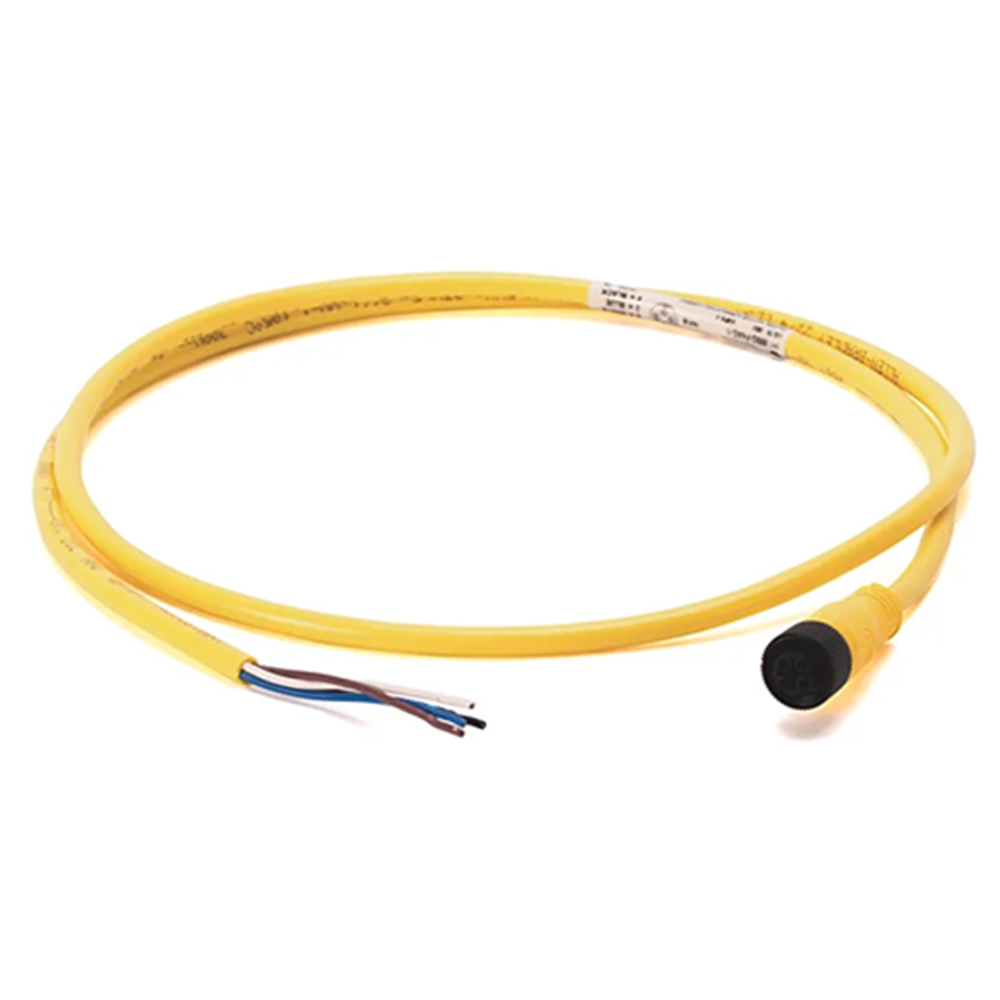
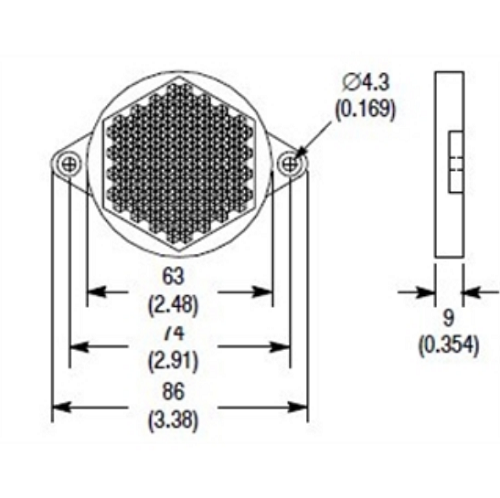
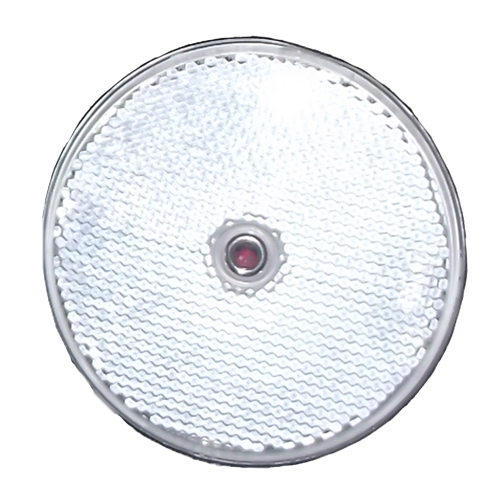
AB PHTSW REFLECTOR 3" RND AL BACK THR HL

RIGHT ANGLE (90 DEGREE) MOUNTING BRACKET w/GIMBLE FOR 9000 SERIES
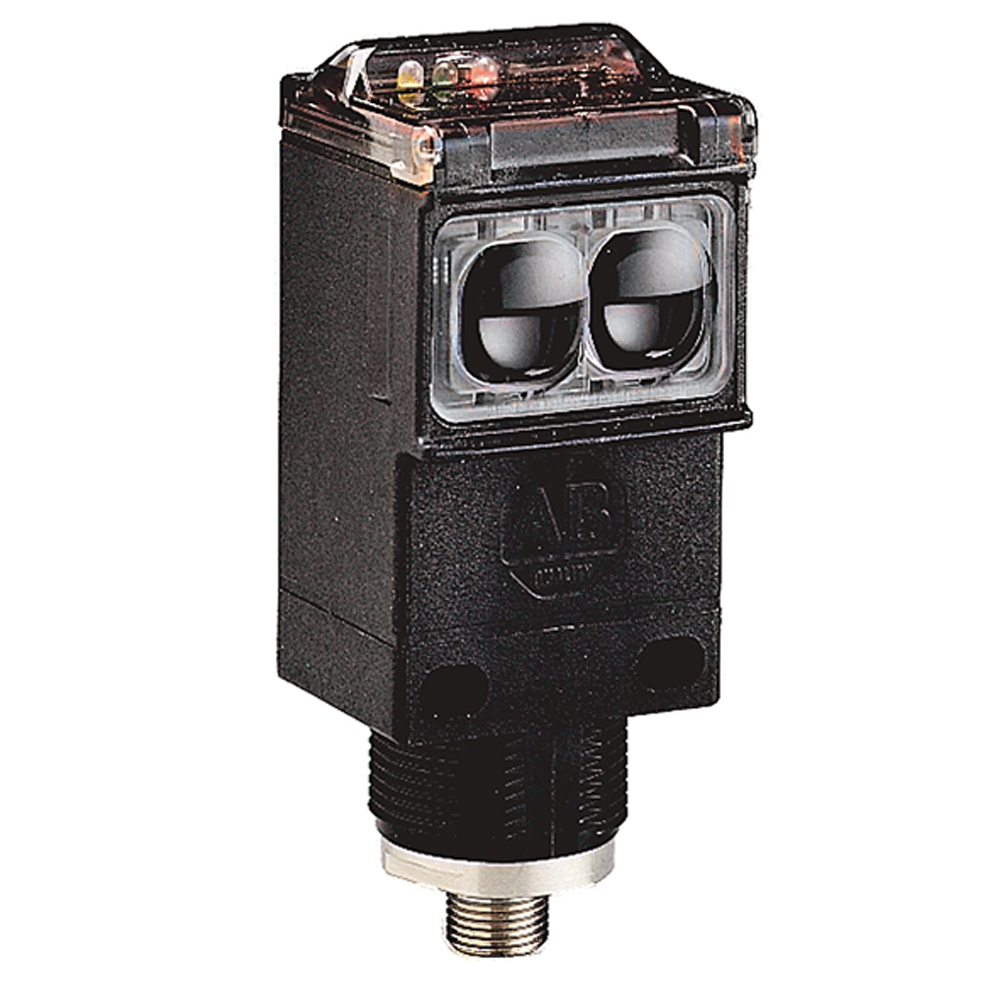
AB PHTSW PHOTOELE SENSOR, STD RETRFLECT

INCANDESCENT LAMP FOR FLASHING LIGHT
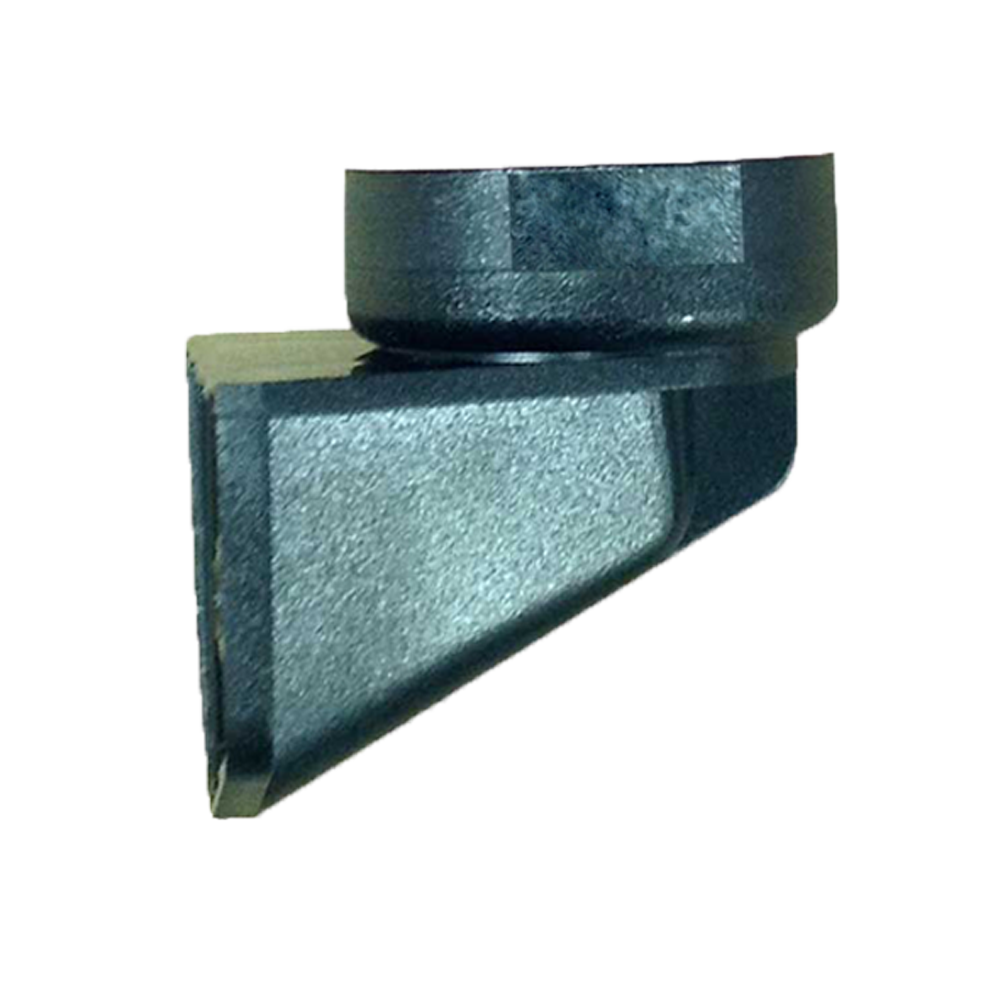
VERTICAL MOUNT BASE FOR LIGHT AND ALARM
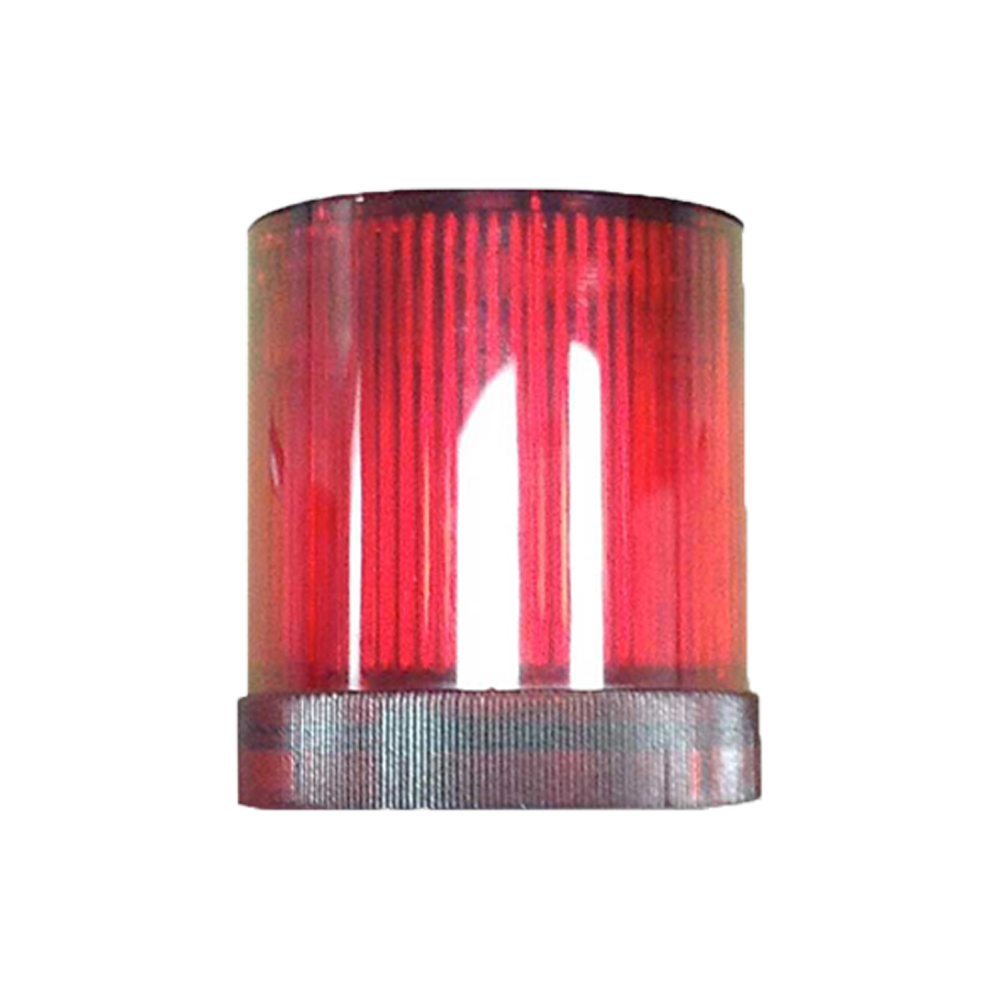
RED COVER FOR FLASHING LIGHT
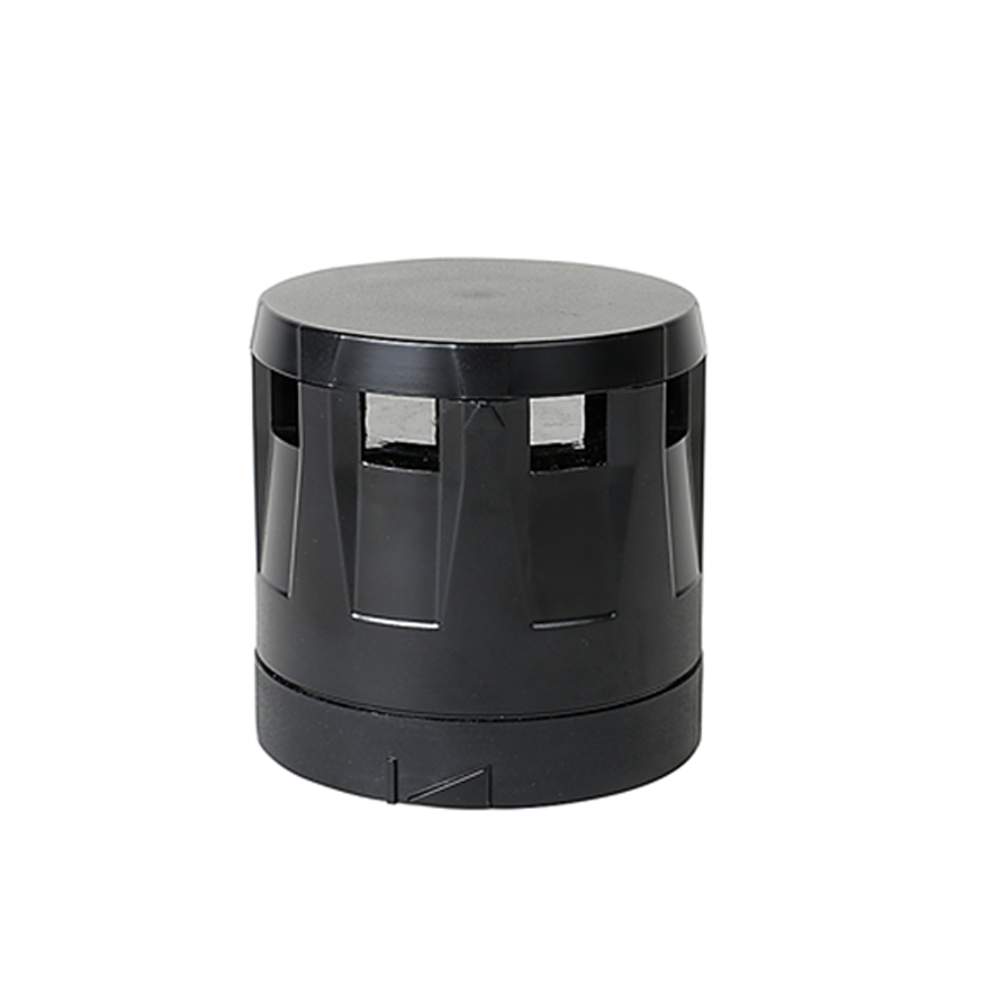
AB 30MM CYLINDER LOCK PUSH BUTTON (KEY SWITCH) WITH GUARDED BEZEL WITH 2 NO
Part # : C.AB30.NX970
$103.90
Compactor Photo Switches (Photo Eyes)
Replacement photo eye sensors for industrial trash compactors — hopper detection, cycle-control, and material-presence sensors. Photoelectric (through-beam and retro-reflective) sensors. OEM-compatible with Marathon, PTR, Wastequip, Harmony, SP Industries.
What this page covers
Photo eyes — sometimes called photoelectric sensors — detect material in the hopper, monitor cycle state, and trigger automatic compaction. Most are through-beam sensors (emitter on one side, receiver on the other) installed across the hopper opening. When material breaks the beam, the controller signals the ram to cycle.
Photo eye failure is usually contamination (lens covered in grease, dust, debris) rather than electronics — clean the lens first. If cleaning doesn't restore function, the sensor is electrically failed and needs replacement. PRT stocks standard industrial photo eyes from major brands.
How to choose
Match by sensor type (through-beam, retro-reflective, diffuse), sensing range, electrical rating, and mounting style. Through-beam is most common for compactor hopper applications because it works reliably even in dirty environments.
If your current photo eye fails frequently due to contamination, PRT can recommend higher-IP-rated sensors or laser-based sensors that maintain function longer in dirty environments.
Photo eye sensor types in stock
- Through-beam photo eyesMost common for compactor hopper applications. Emitter + receiver.
- Retro-reflective photo eyesSingle-unit with reflector. Used in tight installations.
- Diffuse photo eyesSingle-unit sensors that detect their own reflected signal.
- Laser photo eyesFor dirty environments where standard photo eyes fail frequently.
- Standard mounting bracketsOEM-equivalent mounting for direct replacement.
Frequently asked questions
My compactor's photo eye isn't triggering — is the sensor bad?
Probably not. Most photo eye 'failures' are contamination. Clean both the emitter and receiver lenses with a soft cloth and isopropyl alcohol. Check alignment — the emitter and receiver must point at each other within a few degrees. If both are clean and aligned and the sensor still doesn't trigger, then it's electrically failed.
What's the difference between through-beam and retro-reflective photo eyes?
Through-beam uses two separate units (emitter and receiver) on opposite sides of the detection zone. Retro-reflective uses one unit with a reflector on the other side. Through-beam is more reliable in dirty environments; retro-reflective is cheaper and easier to install.
Can I upgrade my compactor's photo eye to a sonic sensor?
Yes, in most cases. Laser photo eyes maintain function better in dusty or dirty environments because their beam stays focused at longer distances.